
Clean Spaces Help Lower Germs, Reduce Hazards, and Support Better Daily Work
Office cleaning helps workplace health and safety by lowering the spread of germs, cutting down slip and trip risks, improving air quality, and keeping shared spaces safer for everyone. In busy workplaces, desks, break rooms, restrooms, and entry areas can collect dust, bacteria, and clutter fast. Regular cleaning helps stop small issues from turning into bigger problems like sick days, bad odors, and unsafe walking paths.
Quick Answer
A clean workplace supports healthier staff and safer daily routines. When surfaces are wiped, trash is removed, and floors are kept clear, people have fewer chances to touch dirty areas or get hurt. office cleaning also helps buildings feel more organized, which can lead to better habits from staff and visitors. Even simple tasks like cleaning door handles and vacuuming carpets can make a big difference over time.
What You Need Before Starting
Before setting up a cleaning plan, it helps to know which areas get the most use. A small office may need light daily care and deeper weekly work. A larger building may need a full schedule for lobbies, workstations, bathrooms, and kitchens. It also helps to know what supplies are safe for each surface. Glass, fabric, tile, and electronics all need the right method.
If a business handles food, has many visitors, or shares equipment, cleaning needs may be more frequent. This is also a good time to review any service category needs, even if the main goal is general upkeep. A clear plan helps avoid missed areas and uneven results.
Step-by-Step Process
A simple system makes office cleaning more effective. It also helps staff know what to expect each day.
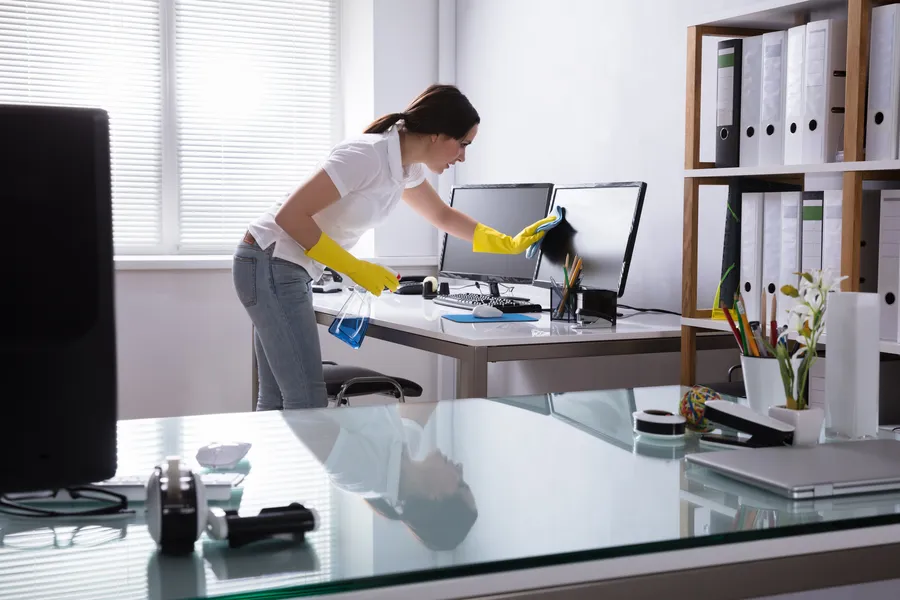
- Check high-touch spots first, like door handles, light switches, phones, and shared desks.
- Remove trash and replace liners to control odor and reduce germs.
- Clean and disinfect restrooms, sinks, and break room counters.
- Dust shelves, vents, baseboards, and other areas that collect buildup.
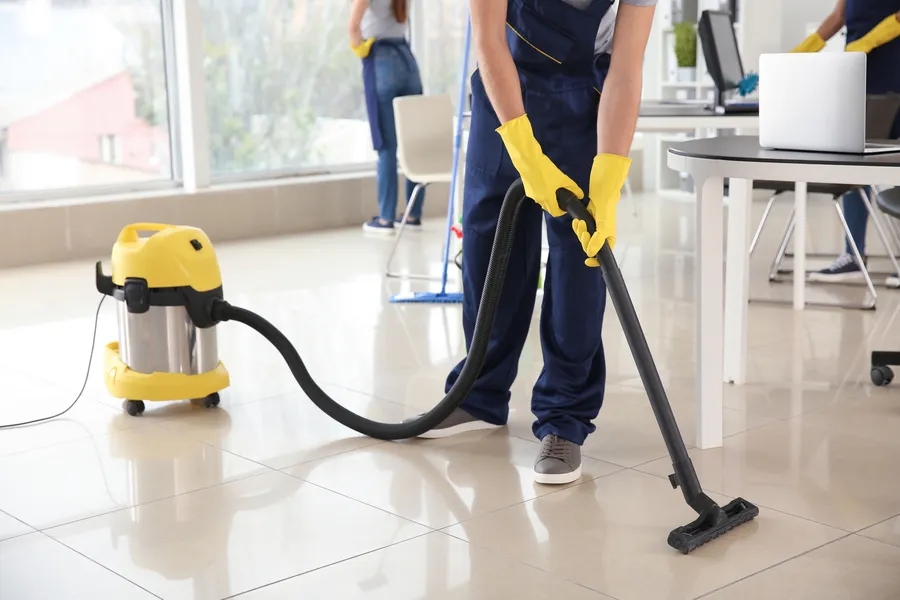
- Vacuum carpets and mop hard floors to remove dirt and lower slip risks.
- Clear clutter from walkways, exits, and common areas.
- Restock soap, paper towels, and toilet paper so staff can keep good hygiene habits.
- Review the space at the end of the job to catch missed spots.
This kind of routine helps protect both health and safety. It is not just about appearance. It is about creating a space where people can work with fewer risks during the day.
Common Mistakes to Avoid
One common mistake is only cleaning what people can easily see. Shiny floors and neat desks may look good, but hidden dirt on shared tools, keyboards, and door pulls can still spread germs. Another mistake is using the wrong product on the wrong surface. Some cleaners can damage materials or leave slick residue behind.
Skipping regular floor care can also cause problems. Wet spots, dust near entrances, and loose debris in hallways can all lead to slips or falls. Another issue is waiting too long between cleanings in busy spaces. Break rooms and restrooms often need more attention than private offices. A plan should match how the building is actually used.
When to Call a Professional
Some jobs are too large, too detailed, or too frequent for in-house staff. A professional team may be the better choice when a workplace has ongoing odor issues, heavy foot traffic, large restrooms, carpet stains, or dust problems from vents and hard-to-reach areas. Professional help also makes sense after illness spreads through the office or after special events bring in more people than usual.
Businesses may also need outside help when cleaning tasks pull workers away from their normal jobs. Lost work time can add up fast. A trained crew can often clean more thoroughly and on a more steady schedule. That leads to better results and fewer missed steps.
Why This Matters for Daily Health and Safety
Health and safety problems do not always start with major events. They often begin with small, repeated issues. Dust in vents can bother breathing. Dirty sinks can spread bacteria. Trash left too long can attract pests. Cords hidden under clutter can trip someone walking by. office cleaning helps deal with these daily risks before they grow.
It also supports a better work culture. People are more likely to wash hands, throw away trash, and keep shared areas neat when the building is already being cared for. That creates a cleaner cycle. Visitors notice it too. A clean office sends the message that the business pays attention to details and values the people inside the space.
Final Recommendation
For most workplaces, the best approach is a regular cleaning schedule based on traffic, shared use, and building layout. Daily care for high-touch and high-use areas often works well, along with deeper weekly or monthly service. Keeping records of problem spots can also help improve the plan over time. If the office has frequent sick days, dusty surfaces, messy floors, or restroom complaints, it may be time to improve the routine.
Get Help for a Cleaner Workplace
At Maids in Motion, we help businesses create cleaner spaces that support safer daily work. If your workplace in Lancaster, PA needs more steady care, we can talk through the right next steps. Call us at (717) 670-4514 to learn how we can help with office cleaning that fits your space and schedule.