
A Clean Workplace Supports Health, Focus, and a Better Daily Experience
Businesses need routine office cleaning because a clean workspace helps people stay healthier, work better, and make a stronger impression on visitors. Dirt, dust, germs, and clutter build up fast in busy offices. When cleaning happens on a set schedule, small messes do not turn into bigger problems. In many workplaces, regular care also helps floors, restrooms, break rooms, and shared spaces last longer and stay safer for staff and guests.
Why Prevention Matters
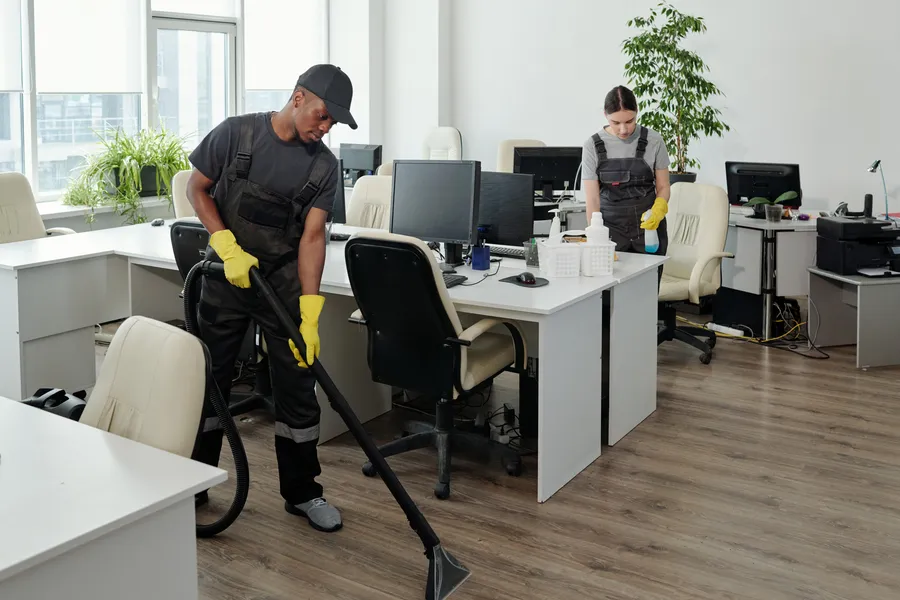
Routine office cleaning is a prevention step. It helps stop problems before they spread. A dusty vent can affect air quality. A sticky floor can lead to slips. A dirty restroom can upset both staff and visitors. When these issues are handled early, the office stays more comfortable and easier to manage.
Clean spaces also shape how people feel at work. Staff may feel more focused in tidy rooms. Visitors may feel more confident in a business that keeps its space neat. Even simple tasks, like emptying trash and wiping desks, can change the tone of a whole day.
Early Warning Signs
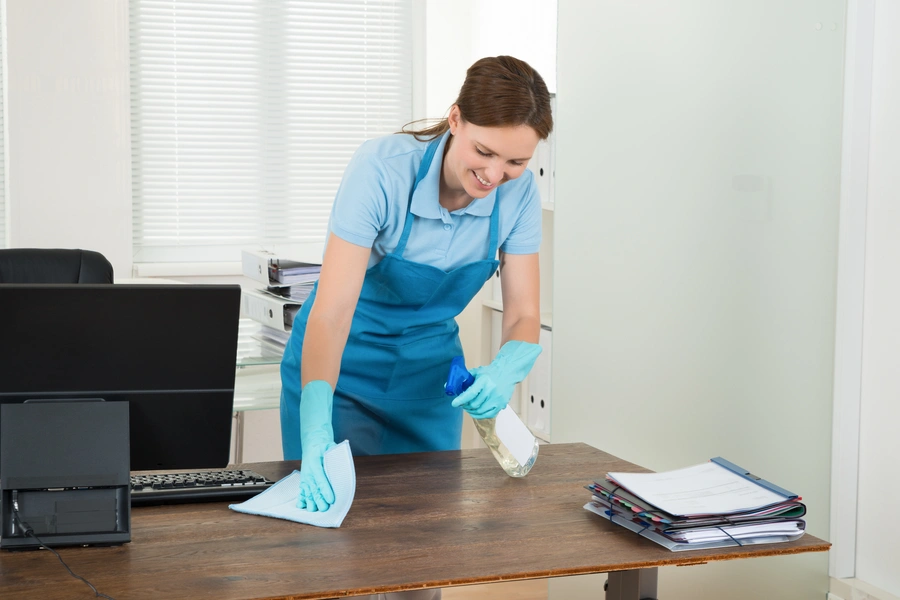
Many businesses wait too long to act because mess builds little by little. By the time the problem feels obvious, germs, odors, and wear may already be harder to fix. Watching for small warning signs can help.
- Trash bins fill up before the end of the day
- Restrooms run out of supplies often
- Dust gathers on vents, shelves, and baseboards
- Fingerprints stay on glass doors and shared surfaces
- Carpet spots and floor marks remain for days
- Break rooms start to smell sour or stale
- Staff mention allergies, sneezing, or sticky surfaces
If several of these signs show up at once, the cleaning schedule may not match the pace of the office. A routine plan can help bring things back under control.
Seasonal or Routine Checklist
Different parts of an office need attention at different times. Daily tasks keep the space usable. Weekly and monthly tasks help stop buildup. Seasonal needs may change with weather, foot traffic, and business cycles.
- Wipe high-touch surfaces like door handles, counters, and shared desks
- Empty trash and replace liners before bins overflow
- Clean and restock restrooms on a set schedule
- Vacuum carpets and remove dirt from entry areas
- Mop hard floors to remove sticky spots and tracked-in grime
- Sanitize break room tables, sinks, and appliance handles
- Dust vents, ledges, and office equipment
- Clean interior glass and spot-check walls and doors
- Review deep-clean needs each month for floors and shared spaces
This kind of checklist works well for many types of commercial cleaning plans. It gives businesses a simple way to match cleaning tasks to how the office is used.
Best Practices for Long-Term Results
The best routine is one that fits the real traffic of the workspace. A small office with few visitors may need lighter daily work and deeper weekly service. A busy office with shared desks, public restrooms, and frequent foot traffic may need more frequent care.
It also helps to focus on shared touchpoints first. These include door pulls, light switches, copier buttons, kitchen handles, and conference tables. These areas get used by many people and can collect germs quickly. Cleaning them often can support a healthier workplace.
Another smart practice is to keep entry points clean. Dirt usually enters from outside. If lobbies, mats, and hallways are ignored, that dirt spreads into the whole office. This can wear down flooring faster and make the building look older than it is.
Consistency matters too. A one-time cleanup can help for a day or two, but it does not replace routine office cleaning. A regular plan creates steady results. Staff know what to expect, and managers spend less time reacting to complaints.
What Not to Do
Some businesses try to save time by cleaning only when things look bad. That often leads to more work later. Stains set in, odors linger, and supplies run low at the worst time. Waiting also makes the office feel less cared for.
It is also not a good idea to rely only on staff for major cleaning tasks. Light tidying is one thing. Full restroom care, floor work, trash handling, and surface sanitizing take time and the right tools. If employees must do too much cleaning, they lose time from their main jobs.
Another mistake is using the wrong products on surfaces. Harsh cleaners can damage floors, desks, and fixtures. Too much water can harm some materials. Skipping product labels or using one spray for every surface can lead to wear and poor results.
When to Schedule Professional Help
Professional help makes sense when the office stays busy, shared areas get dirty fast, or managers want a more dependable standard. It can also help after illness spreads through the workplace, after events, or during seasons with heavy rain and mud.
Some signs point clearly to the need for outside support. If staff are noticing restroom issues every day, if floors never seem fully clean, or if dust returns right after wiping, the current plan may be too limited. A trained team can handle recurring work and deeper tasks that are easy to miss.
Professional office cleaning can also support businesses that want a cleaner image for clients, job candidates, and partners. First impressions start as soon as someone walks through the door. Clean glass, fresh-smelling rooms, and neat floors send a message that the business pays attention to detail.
Get Help With a Routine Plan That Fits Your Workplace
If your business in Lancaster, PA needs a cleaner, more steady work environment, we can help build a routine that fits your space and schedule. We keep the process simple and useful. At Maids in Motion, we focus on practical cleaning that supports healthier day-to-day operations. Call us at (717) 670-4514 to talk about what your office needs.